Interfaith Dialogue
- Fr. Lazar: "The Church's role among migrants is to build bridges"
- Murder of young Suleman Masih shocks Christian community in Pakistan | ZENIT
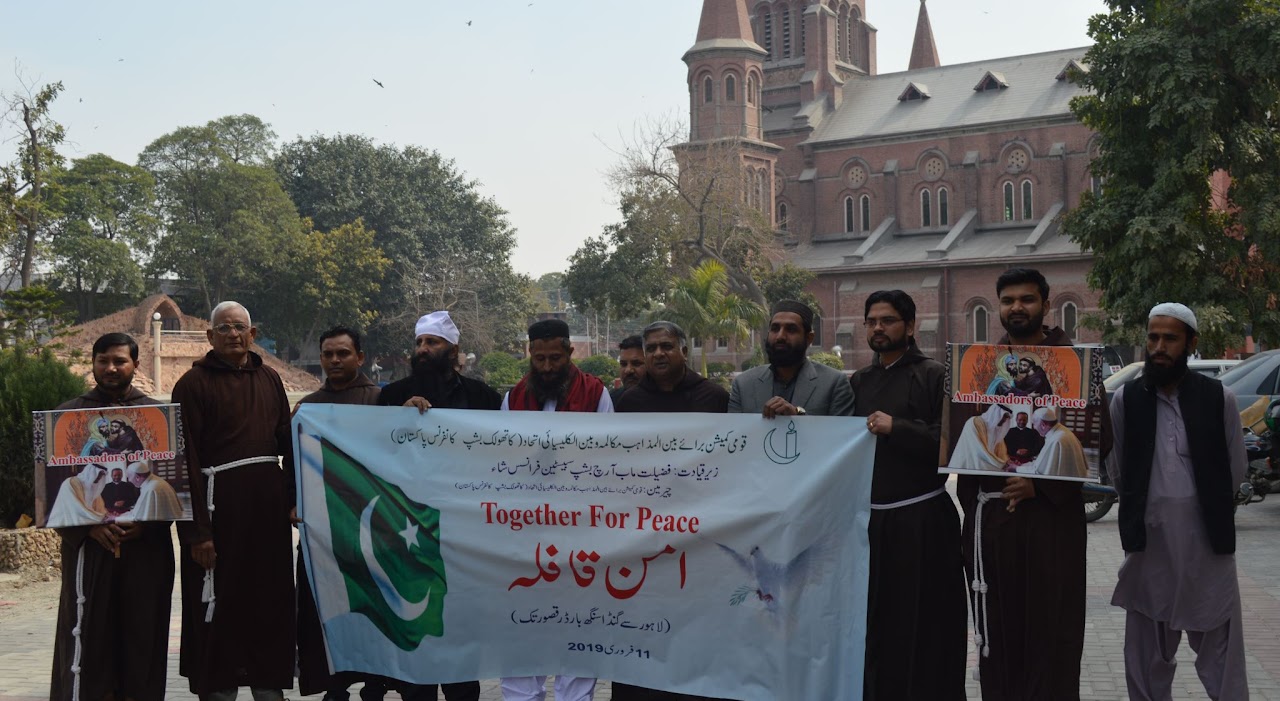
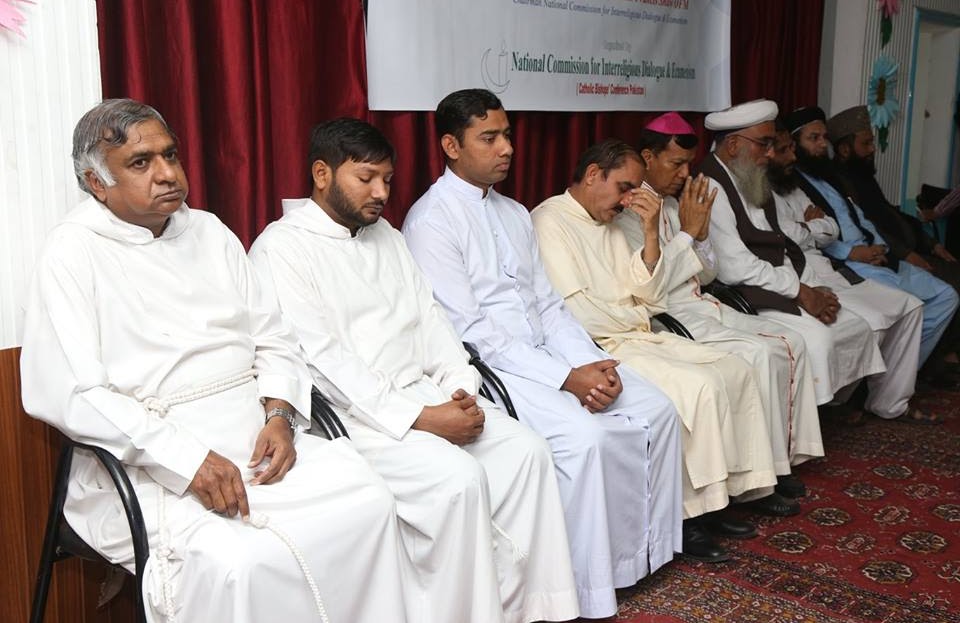
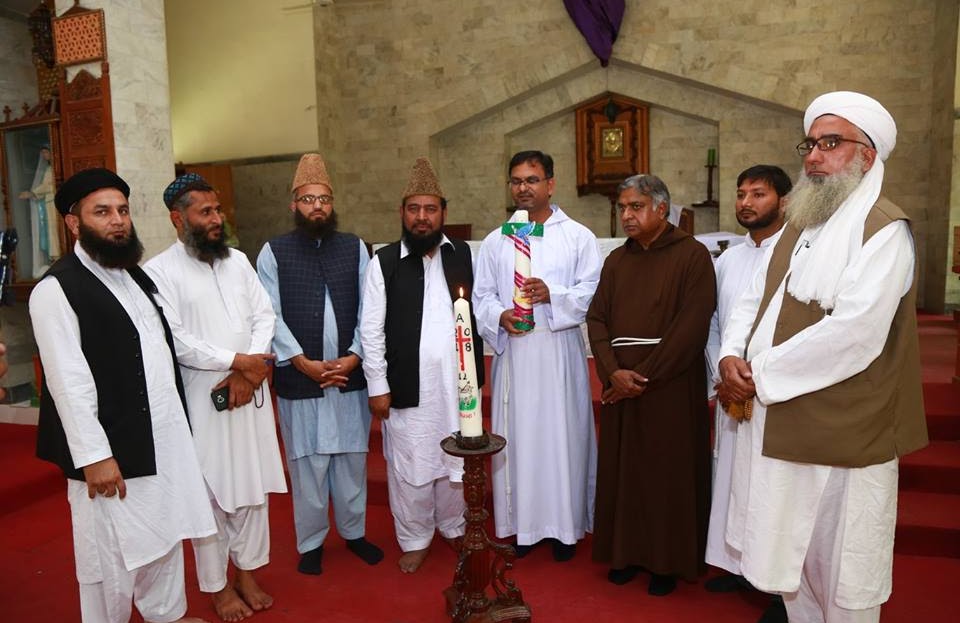
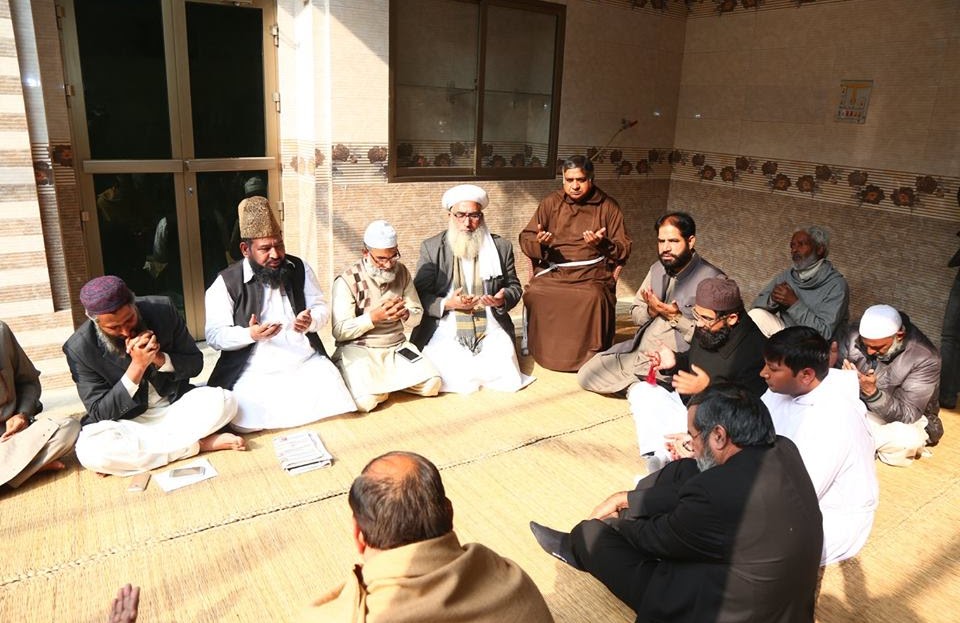
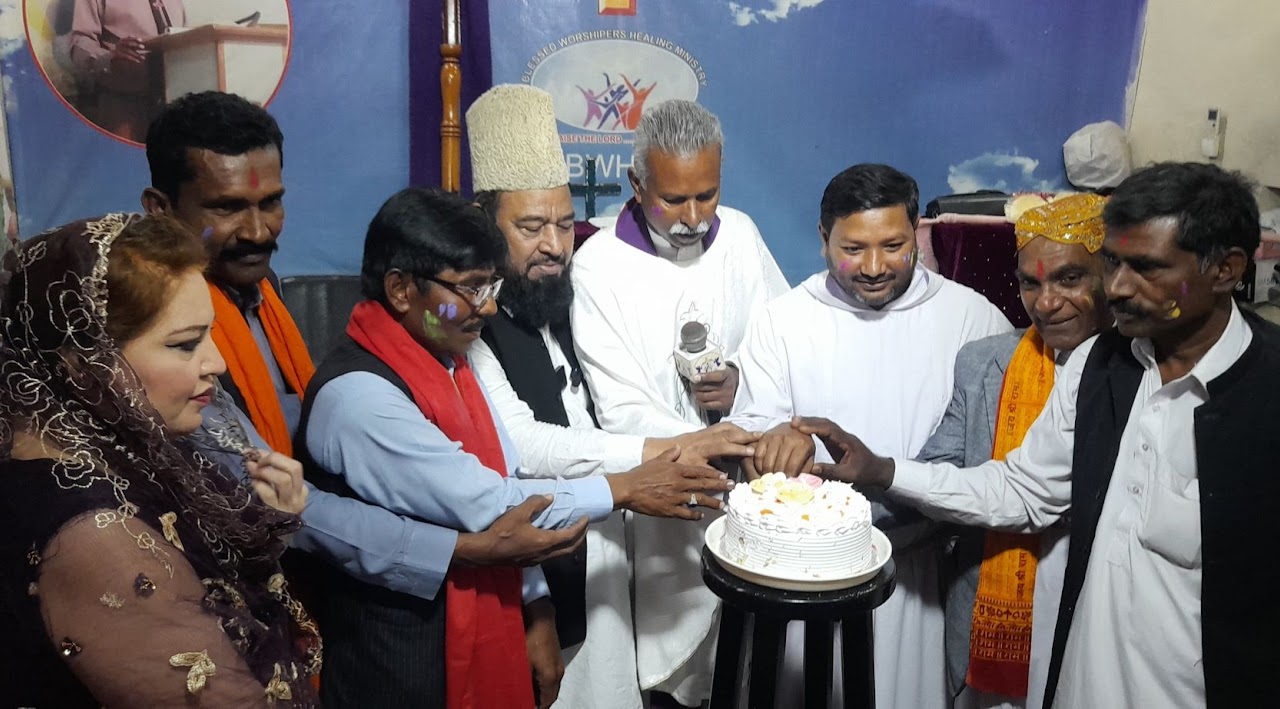
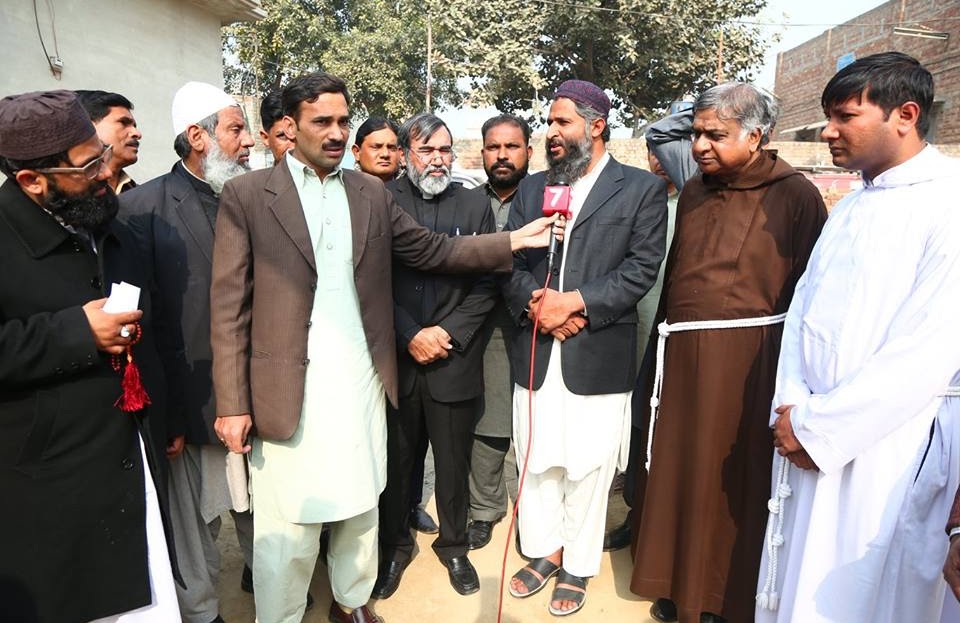
- ASIA/PAKISTAN — The commitment of the Franciscans: interreligious dialogue defuses religious and social tensions
- Interfaith delegation restores calm after blasphemy incident in Pakistan
- ASIA/PAKISTAN — During Advent, testimony of unity and interreligious cooperation to promote peaceful coexistence
- ASIA/PAKISTAN — After the murder of a Presbyterian priest: Christians pray for peace during Advent
Spirituality: The History of the Capuchins
The Origins
The Order was founded around 1525, when the Franciscan friar Matteo da Bascio — ordained priest in the Marche region, Italy — was convinced that the lifestyle led by the Franciscans of his time was not what Saint Francis had imagined. He wished to return to the original lifestyle in solitude and penance as practiced by the founder of his order.
His superiors tried to suppress these new notions, and Matteo and his first companions were forced to hide from Church authorities who wanted to arrest them for abandoning their religious obligations. Matteo and his friends found refuge with the Camaldolese monks; in gratitude, they subsequently adopted the hood worn by that order — the hermit's mark in the Marche region — in addition to wearing a beard. The popular name of their movement originates from this characteristic of their habit.
In 1528, with the mediation of Caterina Cibò, Duchess of Camerino, Matteo obtained the approval of Pope Clement VII with the bull Religionis zelus, permitting him — and all those who would join him — to live as a hermit and preach to the poor everywhere, restoring the most literal observance possible of the rule of St. Francis. Initially called the Friars Minor of the Hermetical Life, and later the Friars Minor Hermits, a branch of the Conventual Franciscans with their own vicar.
A difficult period came in 1542, when the Vicar General of the Order, Bernardino Ochino, joined the Protestant Reformation. Pope Gregory XIII, in 1574, allowed the Order to settle in "France and all other parts of the world," authorizing its diffusion outside Italy. By the 16th century, the Capuchins numbered about 14,000 friars with nearly 1,000 friaries, eventually reaching 34,000 friars and 1,700 friaries between 1600 and the mid-1700s. While remaining faithful to the vow of radical poverty, the Capuchins proved excellent preachers, and the order's role during this period is reflected in Alessandro Manzoni's choice of a Capuchin, Br. Cristoforo, in The Betrothed. The Capuchins were also active in the missions — the Indian archdiocese of Agra was entrusted to friars of the order since 1703.
From the Second Half of the Eighteenth Century Until Today
From the second half of the 1700s to the end of the 1800s, the Order experienced a time of crisis — between 1787 and 1847, no General Chapter was held. These difficulties were more political-social than religious: the French Revolution and similar movements led to the suppression of friaries and even entire provinces, and Italy's law of Guarentigie deprived religious orders of goods and houses in the late nineteenth century. Despite this, missionary work grew rapidly, especially in the Americas. By the early twentieth century the Capuchins numbered around 9,500 friars in over 600 friaries. The twentieth century, culminating in the Second Vatican Council, was a century of return to origins for all religious orders, and though the Capuchins were not exempt from the vocations crisis that hit the Church in Europe and North America in the 1960s–80s, they remain one of the largest and most widespread orders of the Catholic Church.
The Spirituality
The Capuchins, since their origins, have been marked by a particular attachment to prayer and care for the poor and the sick, imitating the life of Jesus as described in the Gospels. Their mission in the countryside — poorly served by existing parishes — met the needs of the faithful in the absence of a prepared secular clergy, and they maintained a characteristic proximity to peripheral towns, adopting a simple homiletic style imbued with everyday life.
A Short History of the Archdiocese of Lahore, Pakistan
In 1880, the Vicariate of the Punjab was established, separated from the Vicariate of Hindustan, and placed under the care of the Italian Capuchin Fathers. With the formal establishment of the Catholic Hierarchy in India in 1886, it was elevated to a diocese with its Episcopal see at Lahore, suffragan to the Archdiocese of Agra. Two years later, it was entrusted to the Belgian Province of the Capuchin Order.
Over the years, the diocese's boundaries changed repeatedly: in 1887 the Rawalpindi Division and Kashmir separated to form the Prefecture Apostolic of Rawalpindi; in 1910 western districts were ceded to the new Archdiocese of Delhi/Simla; in 1936 the Multan Division and Bahawalpur were detached to form the Prefecture Apostolic of Multan; in 1938 two districts adjoining Rawalpindi were incorporated into it; and in 1952, following Partition, the Indian portion of the diocese was separated into a Prefecture Apostolic headquartered in Jullundur (Jalandhar). On April 23, 1994, Lahore was elevated to an Archdiocese. Today it comprises the Lahore Division (Lahore, Kasur, Sheikhupura, Nankana Sahib) and the Gujranwala Division (Gujranwala, Sialkot, Narowal, Hafizabad).
Capuchin Bishops of the Archdiocese of Lahore
Since the mission was entrusted to the Belgian (Flemish) Capuchins in 1888, several Capuchin bishops have served as spiritual heads of the Diocese of Lahore: Symphorien Mouard, OFM Cap. (1888–1890, the first Belgian Capuchin Bishop of Lahore, later Archbishop of Agra); Emmanuel van den Bosch, OFM Cap. (1890–1892); Godefroid Pelckmans, OFM Cap. (1893–1904, a pioneer who founded the village of Mariamabad); Fabien Antoine Eestermans, OFM Cap. (1905–1925, oversaw completion of the Sacred Heart Cathedral); Hector Catry, OFM Cap. (1928–1946, led the diocese during the critical pre-partition years); Marcel Roger Buyse, OFM Cap. (1947–1967, guided the Church through Pakistan's early years); Felicissimus Raeymaeckers, OFM Cap. (1967–1975, the last of the Belgian Capuchin bishops to lead Lahore); and Khalid Rehmat, OFM Cap. (2026–present, the first Pakistani Capuchin Archbishop of Lahore).
Contributions of the Capuchin Fathers to the Punjab Community
The Capuchin mission was defined by the mandate of Pope Leo XIII to "redeem the sons and daughters of the soil." Their work went far beyond religious instruction, focusing on social dignity and economic empowerment.
The Creation of "Christian Villages": one of their most lasting legacies was the establishment of agricultural colonies, giving landless laborers a sense of ownership and identity — Mariamabad (1892), founded by Bishop Pelckmans, remains the most significant Marian shrine and Christian settlement in Pakistan; Khushpur (1900) and Francisabad (1904) allowed families to escape bonded labor and become independent farmers.
The Capuchin Education System: the friars believed education was key to breaking the chains of poverty, establishing a network of rural schools — institutions like St. Mary's High School and Franciscan Boys High School provided literacy and moral formation for generations.
Social Advocacy and Dignity: the Capuchins worked among the "poorest of the poor," restoring dignity through baptism and education, and providing healthcare through dispensaries and mobile clinics, often with the Belgian Sisters of Charity.
Cultural Integration and Peacebuilding: the Capuchins have long been leaders in interfaith dialogue — figures like the late Fr. Francis Nadeem, OFM Cap., became national symbols of peace, building bridges between Christians and Muslims in Lahore and beyond, a tradition that Fr. Lazar's own "Building Bridges" continues.
The Missionary Emphasis in the Early Capuchin Mission in the Punjab
On 15 November 1888, the Propaganda Fide entrusted the Lahore Diocese to the Capuchin Friars of the Belgian Province, who sent sixteen friars to the Punjab Mission; they arrived in Lahore on 9 March 1889, received by the newly ordained Bishop Mouard. The friars attended to the spiritual needs of the English army while working for the welfare of the native people, beginning missionary work in Sialkot and its surrounding villages. By 1889, roughly 70 adults had been prepared for and received Baptism; four villages were selected as residences for priests to more easily visit the roughly 80 surrounding villages, and 18 schools were established. Within the first year the number of faithful reached one thousand. Most converts belonged to the lower castes of India — farmers, laborers, and sanitary workers who, from 1908 onward, flocked to the mission stations in the thousands, though a shortage of personnel meant many eventually turned to other churches.
To settle Christian communities, the Bishop purchased land from the Chenab Scheme: Mariamabad in 1892, Khushpur in 1900, and later Francisabad (1904), Rahimpur, and Anthonyabad (1916). Partition in 1947 brought major disruption, as a large portion of the Lahore Diocese became part of India and was later incorporated into the Jullundur Diocese; nevertheless missionary work continued, aided by the Dominicans from 1930 and further diocesan reorganization in 1939 and 1947.
The early missionaries faced significant hardship: they had to learn Punjabi from scratch, often relying on interpreters; they encountered a caste system reinforced by mutual animosities among Hindus, Sikhs, and Muslims, and turned to the poor and marginalized after initial outreach to higher castes went unanswered; unfamiliar food caused frequent illness including typhoid; the intense heat and monsoon floods slowed their travel between villages; and Protestant missionaries, already established in parts of Sialkot, initially limited where the Capuchins could work, though the Capuchins eventually won over many Protestant catechists and non-believers through their steady, personal presence.
Education became a central strategy. Early attempts at joint schooling for European and native children failed due to prejudice, but mission-station schools for native Christians thrived, and in 1893 the St. Francis Boy's Orphanage opened at the Pro-Cathedral compound in Anarkali. A formal catechist training school opened at Adah in 1905, admitting six candidates aged 16–18 for a five-year program of religious and secular study; it continued until 1917, moved to Dalwal, and was later shifted to Jullundur in 1936.
The Capuchins also built up Christian colonies as a deliberate strategy — considered by contemporaries a remarkable success. The 1910 official census superintendent Pandit Harkishan Kaul, a Brahmin, wrote that "the Roman Catholic missionaries reaped a powerful success among the oppressed popular classes," while Hindu writer Sain Nihal Singh observed communities "reformed into conscientious citizens with secure economic well-being" under Catholic guidance so discreet that "the world at large remains totally ignorant of what happens here." In 1892, Fr. Lievin purchased 126 acres for Rs. 6,600, and three families, led by Fr. Engelbert, journeyed six days to found "Mariamabad" in honor of the Blessed Virgin Mary; by 1895 the settlement's population had grown past 500.
Throughout, the missionaries emphasized regular visits and residing among the people — building mud houses like the locals before later pakka (permanent) houses — as well as sacramental and catechetical formation, teaching traditional prayers, the Ten Commandments, and use of the Rosary, often through interpreters and repetition until memorized. They also invested heavily in vernacular literature: Fr. Vitalis produced the first Urdu catechism, Masihi Taleem, in 1892 (translated into Punjabi in 1913); Fr. Deodat wrote Tawarikhy Bible (Biblical History); the Catholic Truth Society was founded in Anarkali in 1922; and Dr. M.B. Utarid completed a full Bible translation in 1920. A distinctive catechetical method known as "The Committee" gathered people from villages for an intensive three-day retreat of catechism, prayers, and Scripture before the Sacraments were administered by the Bishop on the final day.
Looking back on this history, the record shows great sacrifice, strong faith, and dedication inspired by the Holy Spirit — missionaries who did not merely seek to Christianize the people but worked, through education and systematic, selfless service, to improve their social standing and dignity as well.
- A story of faith and survival in Pakistan
- Pakistan, l'impegno dei frati cappuccini contro la schiavitù minorile